
PHOTO
They fled to Australia to escape violence and turmoil, but almost half of the refugees living in regional towns and centres face discrimination and racism, new research has found.
Settling Well, a four-year study led by the University of Wollongong, explored the impact of refugees living in six regional centres in NSW, Victoria and Queensland – including Orange and Cowra.
It found 97 per cent of the refugees surveyed enjoyed regional life, with most (76 per cent) planning to settle long-term.
While 88 per cent of people thought their town was a good place to live, and 84 per cent said they felt they belonged, half experienced discrimination or racism.
"Although many former refugees who participated in Settling Well reported no or few instances of racism and discrimination in regional settings, others described concerning experiences at structural, institutional and individual levels," the report found.
It called for community groups and local councils to tackle the issue and promote greater inclusion.
"Former refugees themselves tackle racism and discrimination in a variety of ways, sometimes directly and at other times indirectly, to protect their safety," the study found.
"Unfortunately, the burden often falls on former refugees who are subject to racist treatment to accommodate the ignorance or prejudice of perpetrators."
The report found the regional settlement of refugees had a significant economic impact as they filled workforce gaps, started their own businesses and increased consumer spending.
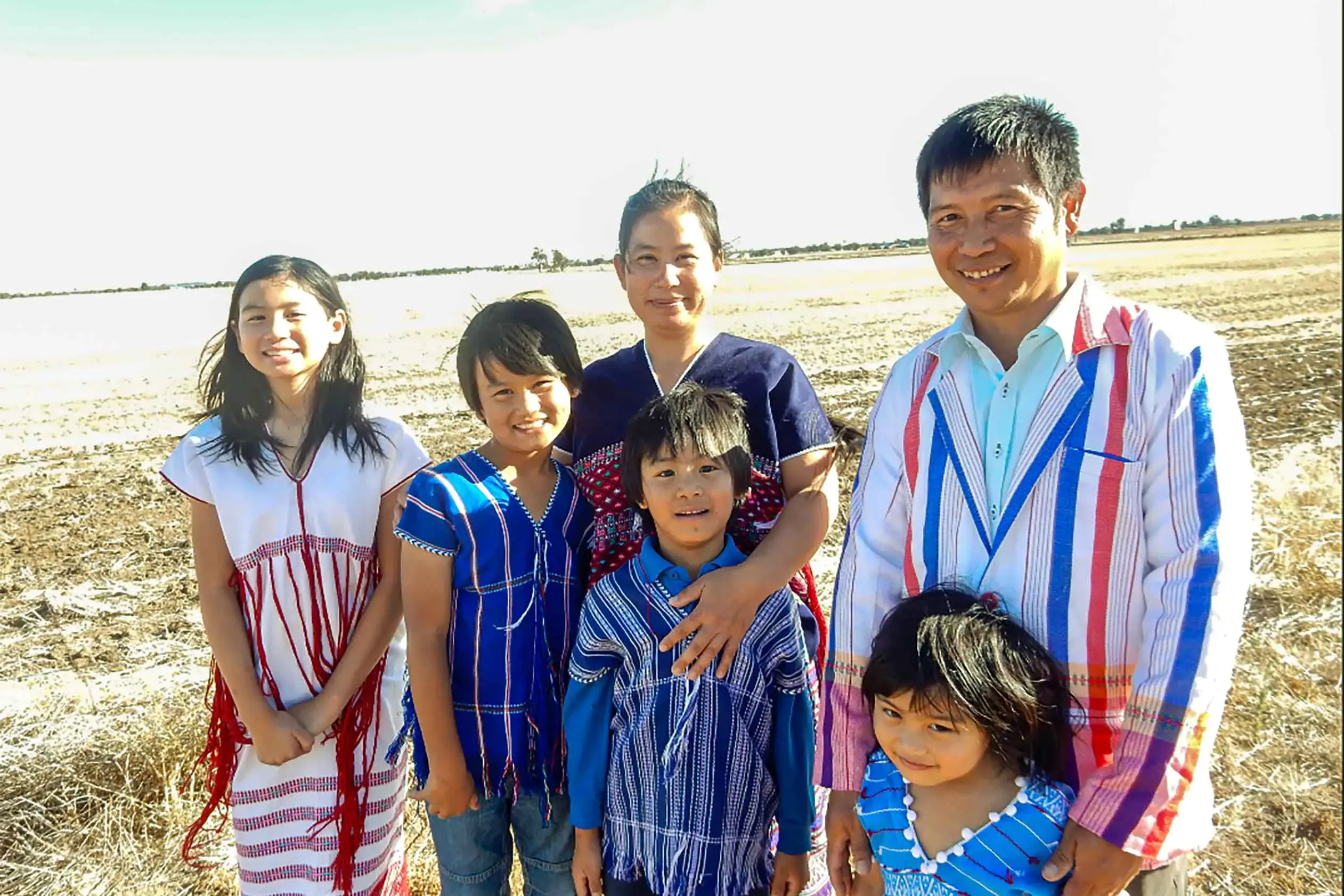
Former refugee Kaw Doh, who has settled in Nhill, in western Victoria, said moving to regional Australia had been life-changing.
He lived in a refugee camp on the Thai-Burma border for seven years and came to Australia as a refugee 12 years ago.
He and several other members of the Karen community moved from Werribee to take up work in Nhill.
"I found it very different at first. I lived in a big house with 10 to 20 people," Kaw Doh said.
"Looking back, it was a good experience, coming to live here (in Nhill). Melbourne was very expensive, and here we had work," he said.
"Since the Karen settled here, about 20 families, including me, have bought houses," Kaw Doh said.
The study surveyed 628 people from 32 countries living in Mildura, Nhill, Townsville, Rockhampton, Orange, Cowra and Albury-Wodonga.