
PHOTO
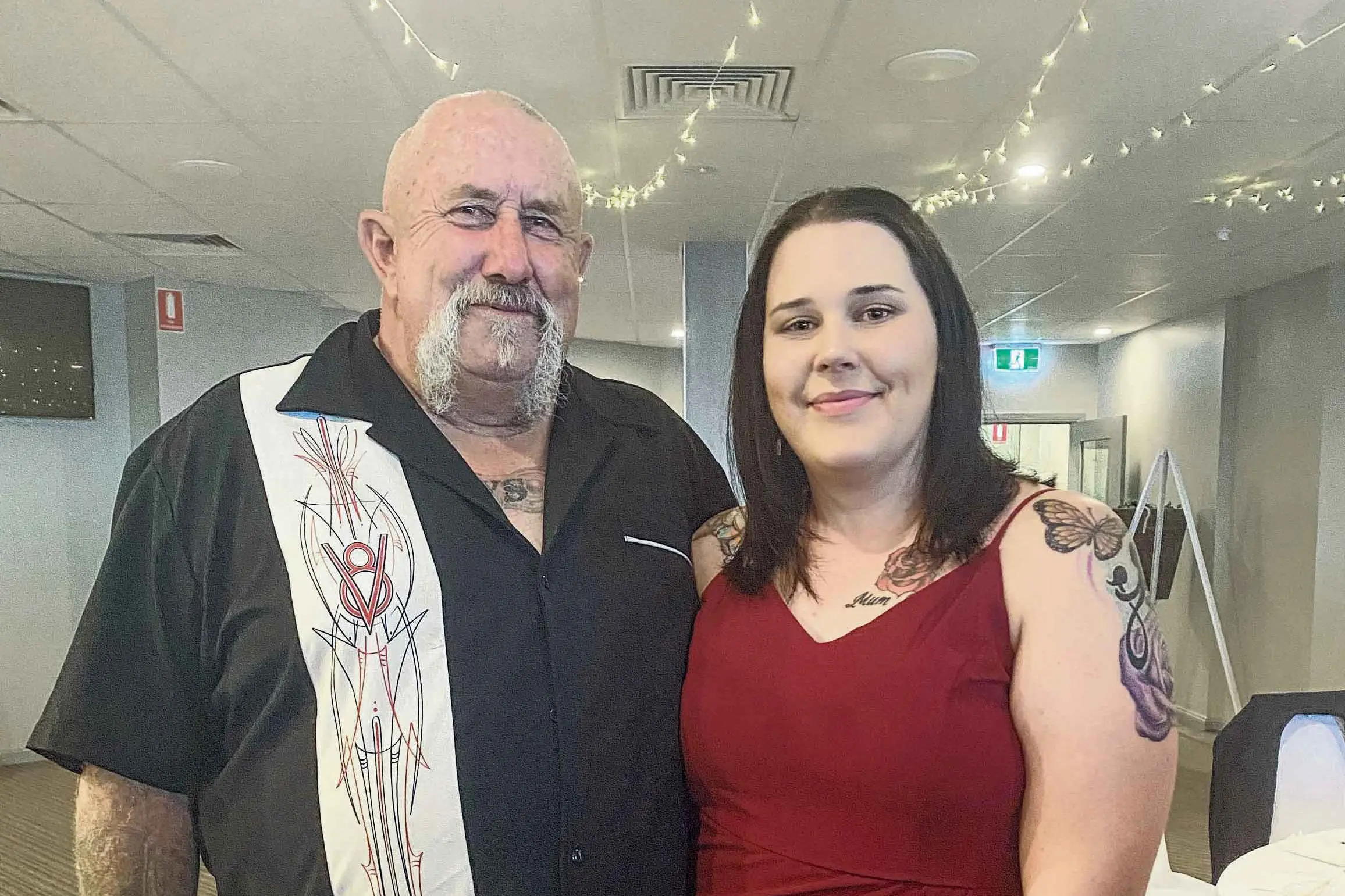
Among the more than 150 people expected to participate in this year’s Dubbo Melanoma March on Saturday, March 14, is Wellington resident Ashley Thomas, 29, who lost her father Colin to melanoma three years ago.
The young woman and her family have become strong advocates for sun safety and regular skin checks following the loss of the family patriarch.
First diagnosed in 2018 when a melanoma was found on his scalp, Colin Thomas’s journey with the disease stretched across five years. He passed away in late February 2023.
“We never realised as a family how serious it was, or how horrible the disease was until dad was diagnosed,” Ashley told Dubbo Photo News.
“After the melanoma was removed, it returned two years later. He began feeling unwell, and doctors discovered it had metastasised behind his eye,” she said.
“Despite undergoing immunotherapy and chemotherapy, the cancer spread to his brain and other parts of his body.”
Like many people in the community, Colin did not give much consideration to sun safety, Ashley said.
“He never wore a hat or sunscreen and he was always out in the sun, and rode motorbikes,” she said.
Melanoma is the deadliest form of skin cancer and Australia has the highest melanoma rates in the world. One person is diagnosed with melanoma every 30 minutes and one person dies from the disease every six hours. It is the most common cancer affecting 20-39-year-old Australians.
Less than a decade ago, advanced melanoma was an almost certain death sentence, with patients rarely surviving more than a few months, according to the Melanoma Institute Australia, which continues to research the disease.
Dubbo’s Melanoma March raises funds for melanoma research and work to find a cure. Ashley and her mother, Michelle, are participating in the Dubbo event because they believe early detection saves lives. Both have become firm advocates within their family and community on the importance of sun safety.
“Too many people don’t realise how serious melanoma can be. Sun safety is critical, as is knowing your skin and seeking medical advice if you notice any changes,” Ashley said.
“As Aboriginal people, we never thought melanoma would affect us, but it can – and it does. We were truly shocked by how aggressive it was, and we hope that by raising awareness and funds for ongoing research, lives can be saved.”
After Colin’s experience, Ashley and her family are now hyper-vigilant when they are outside, regardless of the weather.
“If someone argues with me about putting sunscreen on, I bring up the statistics on melanoma,” she said.
“Early detection is vital, so just getting your skin checked and making sure you are being sun-safe and putting on sunscreen, wearing a hat – just taking it seriously. People don't realise how bad melanoma is,” Ashley concluded.
There is still time to register a team to participate in the Dubbo Melanoma March and further information is available on the event website at https://dubbo.melanomamarch.org.au.
Prospective participants should note that this year’s march has a different route from previous events due to the Titan Macquarie Mud Run also being held on the same day.
The Melanoma March will leave from Lions Park in West Dubbo, travel down to the Emile Serisier Bridge and on to Ollie Robbins Oval, before returning. A barbecue, coffee van and ice-cream van will await those on their return to Lions Park.