
PHOTO
Summer holiday fun may be the order of the day for most locals at this time of year, but it’s all go, go, go for a bunch of recent baby-borns at Dubbo's iconic zoo which has also been recognised as NSW's Best Major Tourist Attraction.
After the Dubbo landmark claimed the top gong at the recent NSW Tourism Awards, new arrivals are definitely making a splash at Taronga Western Plains Zoo this summer.
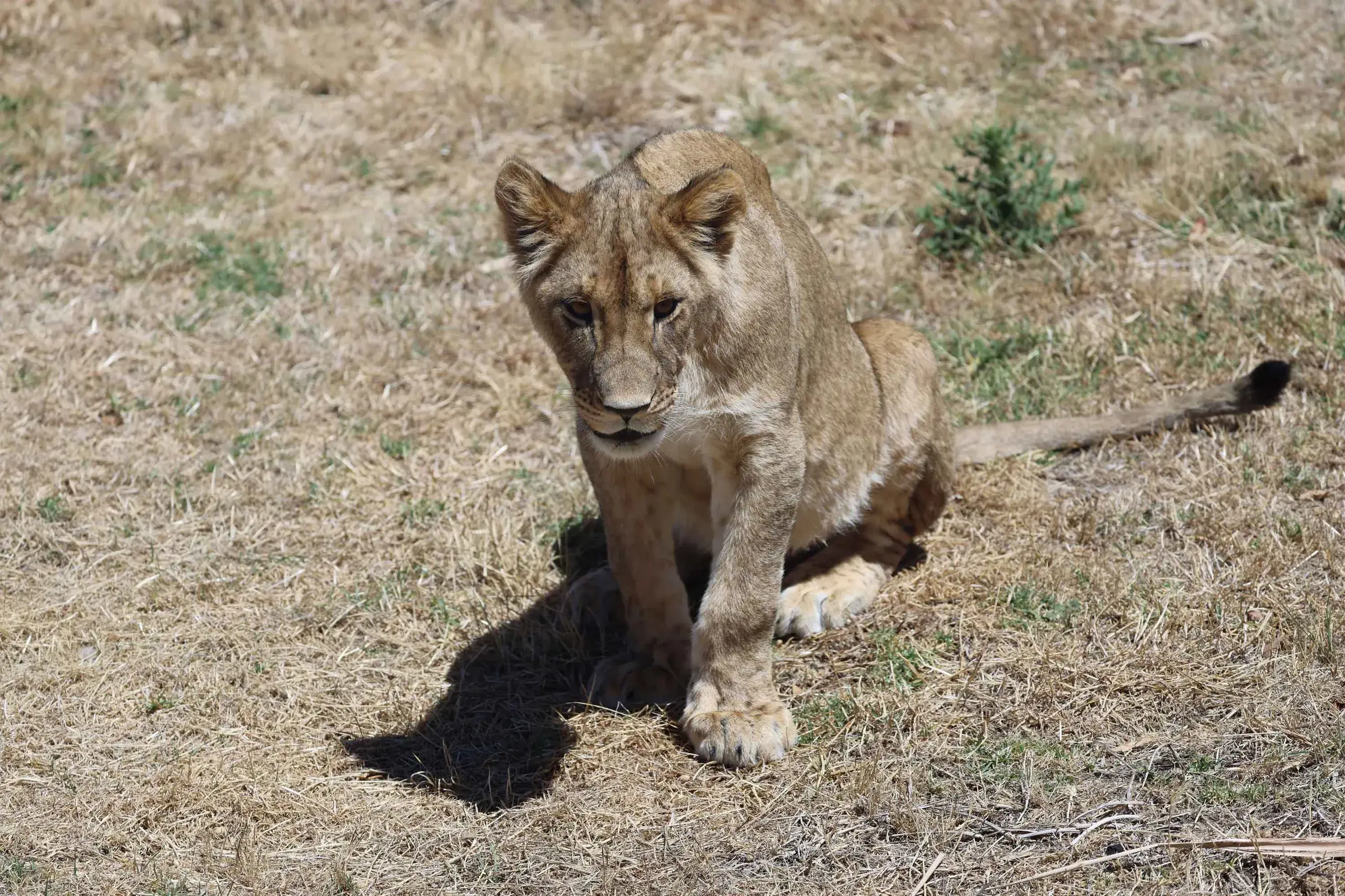
These fresh chums include four Black-handed Spider Monkey babies, three African Lion cubs, two Quokka joeys, and a critically-endangered Scimitar-horned Oryx calf, Zoo Director Steve Hinks revealed.
“Lion cubs Kaari, Mzuri and Nguvu have turned into quite the handful for parents Marion and Lwazi as well as their four big sisters,” Steve said.
“They love playing with and pouncing on their siblings, as well as anything they find in their exhibit, from balls to sticks and even tree roots!” he added.
The best time to see the cubs, he believes, is between 10–10.30am when they venture onto exhibit for their daily enrichment scatter feed, or on board the Pride Lands Patrol Tour which enters the lions’ den. The Pride Lands Patrol Tour departs from the Savannah Plaza at 10.30am on Mondays to Saturdays.
The Black-handed Spider Monkey troop has also welcomed four new arrivals to the Primate Islands on Svannah Lake, Steve explained.
“Spider Monkey babies cling to their mums for the first few months of life before they start to get more adventurous, curious and playful.
“It makes summer the perfect time to see them running and swinging around their island home.”
The best time to see the troop is at the Spider Monkey feed between 12.30–1pm daily, or from a pedal boat on the Savannah Lake.
Final new arrival is a Scimitar-horned Oryx calf who has joined the herd near The Waterhole.
“This calf is a fantastic little ambassador for his species, which is a true conservation success story,” Steve said.
“Once extinct in the wild, Scimitar-horned Oryx were reintroduced to their native Chad by a coalition of zoos from the USA and Europe in recent years and have since been reclassified as critically endangered,” he concluded.